

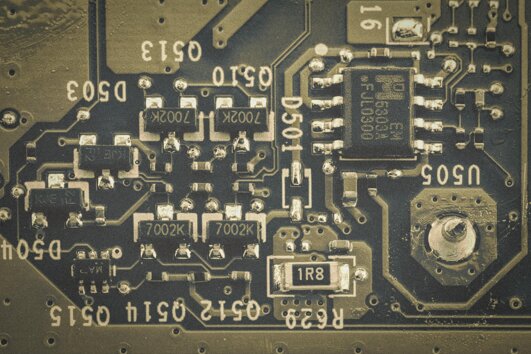

Missoni and Baiff: After the success of the Caperdoni project, Missoni decided to go further with a Karl Mayer K2/K3 retrofit
The technological renewal journey of its production departments was delivering tangible results — greater reliability, more stable output, drastically reduced downtime. Meanwhile, the company had acquired Tricotex, a facility equipped with a particularly valuable machine fleet: 27 Karl Mayer K2 and K3 looms, many of which had over 50 years of operational life. These are robust, historic machines, essential for certain types of processing. But they required a profound rethinking if they were to remain competitive within a modern, automated and connected production model.
The challenge: bringing 50-year-old machines into the future without manufacturer support
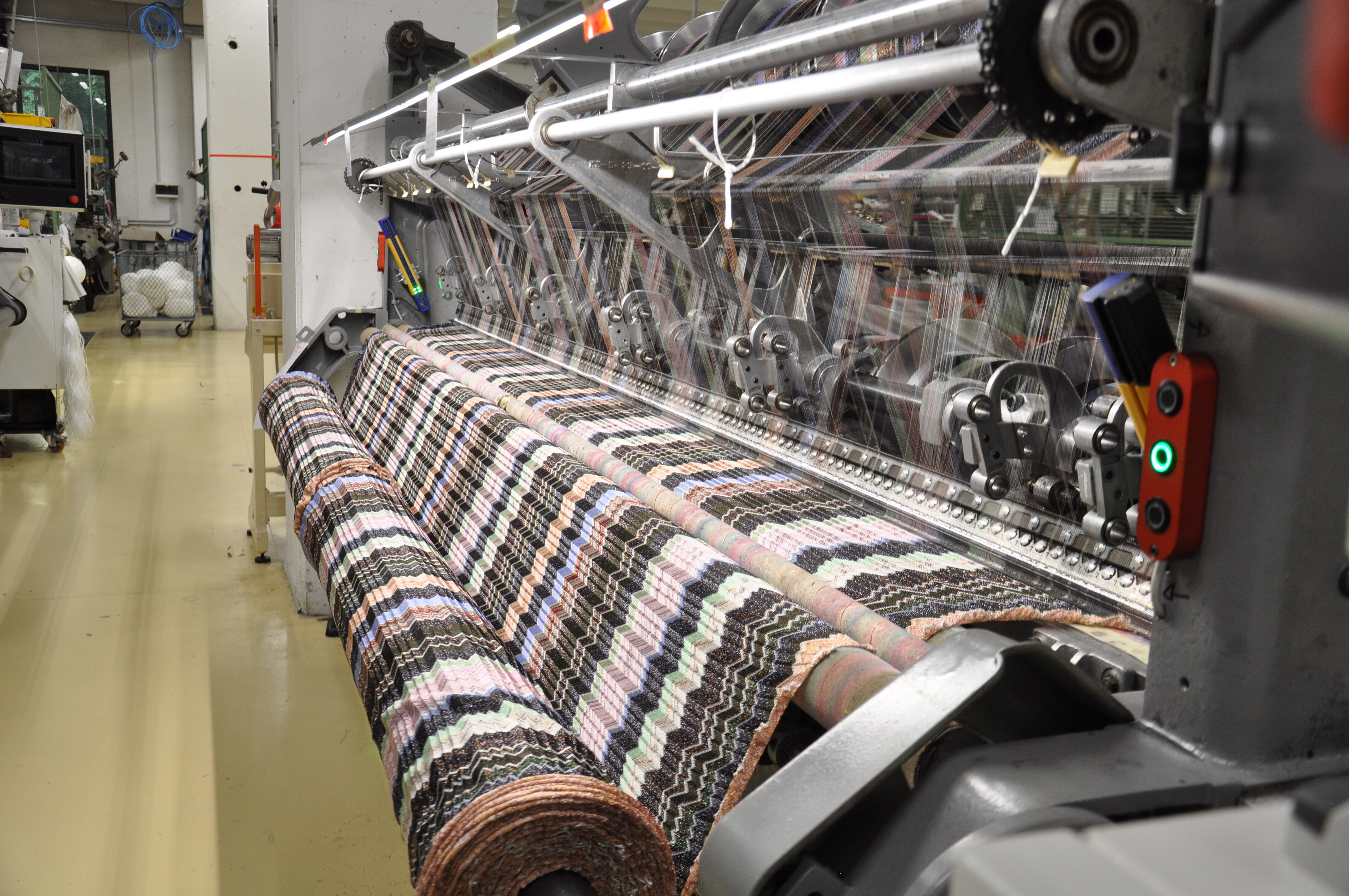
The original manufacturer, Karl Mayer, had long since discontinued both support and spare parts production for those models. Added to this was a highly significant operational challenge: the pattern change required the intervention of multiple operators who, working on a mechanical chain, had to manually calibrate the machine for each new production run.
This meant:
- 2 days of machine downtime for each changeover,
- entirely manual procedure → high probability of human error,
- risk of producing meters of fabric with an incorrect pattern,
- waste of time, materials and production capacity.
Missoni had a clear objective: transform this historical limitation into a competitive advantage, minimizing downtime and maximizing reliability.
The Baiff solution: from mechanical to digital
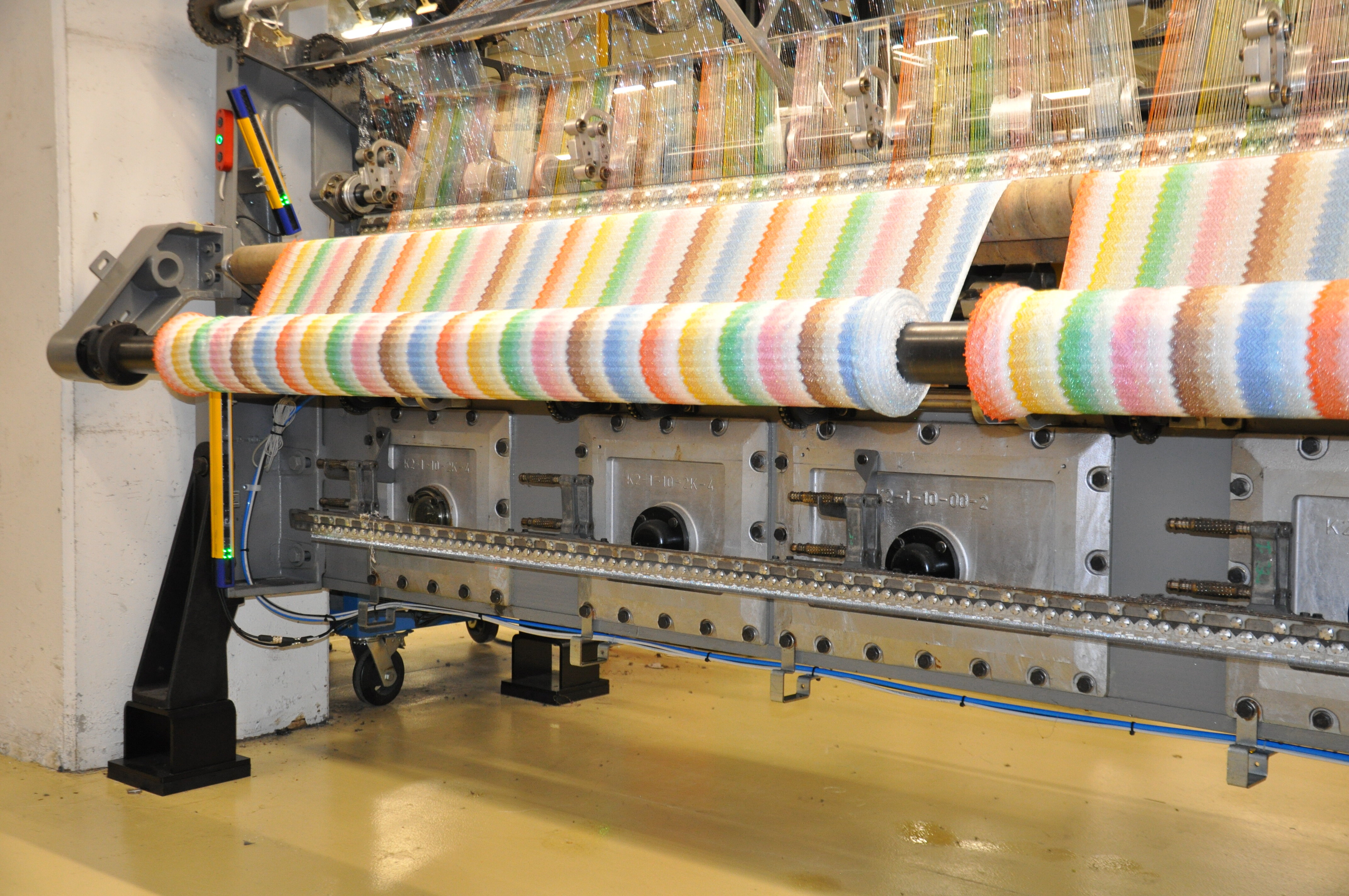
Baiff designed a complete retrofit, rethinking not only the electronic components, but above all the operational processes. The result of this work was a system that today allows:
- Loading the program directly into the machine via USB drive The complex manual setting of the mechanical chain has been completely eliminated. Pattern changes now occur: without tools, without manual calibrations, in a few minutes instead of two days. The gain in production continuity is enormous, as is the reduction in margin of error.
- Eliminating critical human errors The digitalization of the workflow has minimized: setup errors, defects due to imprecise calibrations, production waste. This has led to remarkable quality stability in the finished product, essential for a brand where aesthetic consistency is part of the brand value.
- Enabling program loading directly from server After the first step, Missoni requested a further leap: being able to manage production from a single central point. Baiff then implemented: dedicated industrial network, internal server for pattern management, program transmission to machines with one click. significantly improving order, traceability and process security.
- Real-time monitoring and alarms with cloud-native technologies To complete the evolution, Baiff integrated a system of: continuous monitoring, alarms, real-time performance statistics, using cloud-native tools like Grafana. Missoni now has a complete dashboard on the status of the entire department: cycle times, downtime, key parameters, critical events. Everything is instantly accessible from any authorized workstation.
Result: a historic machine fleet fully projected into Industry 4.0
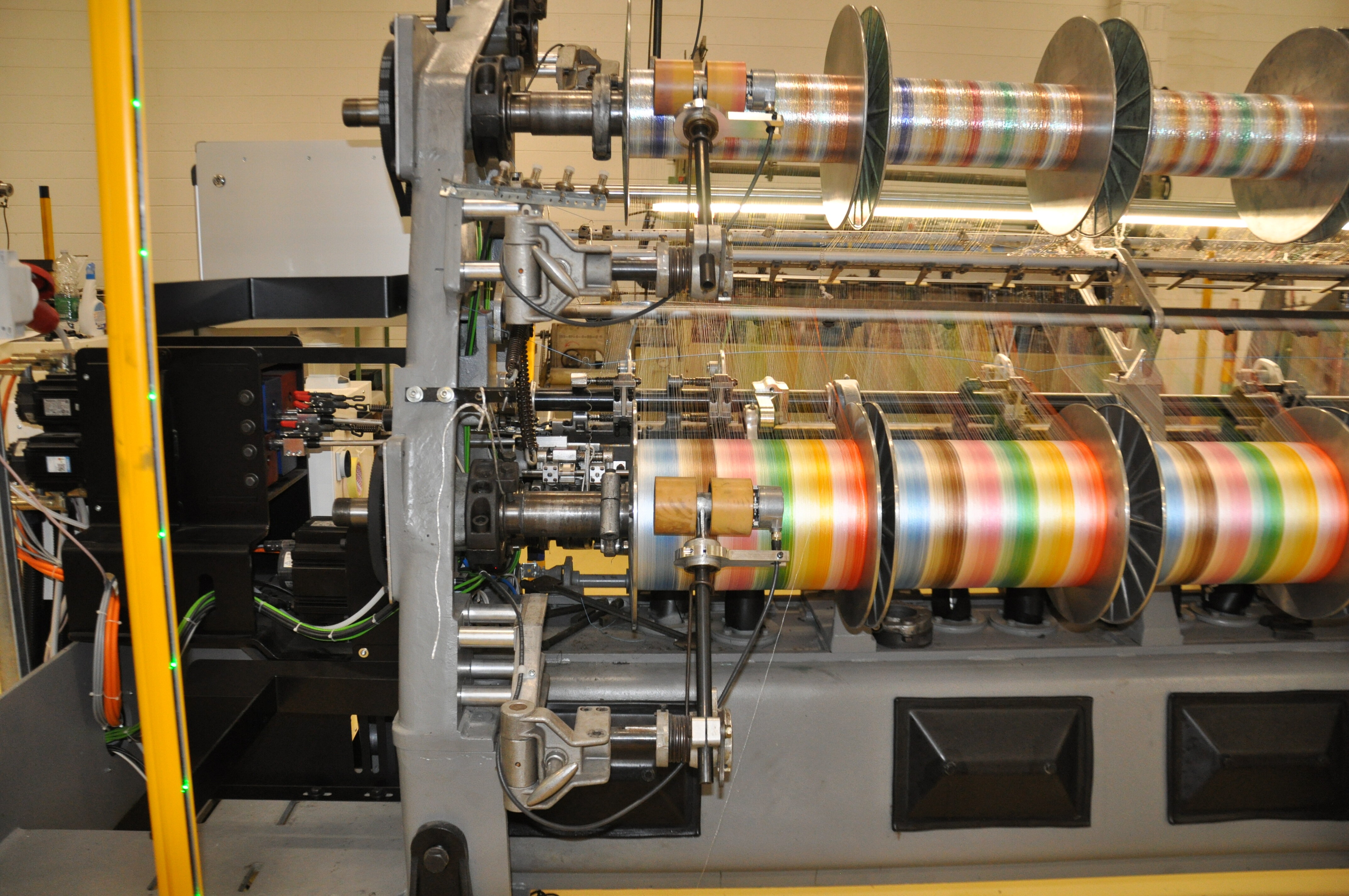
With this project, Missoni has: recovered 27 machines that risked becoming obsolete, achieved production changeover times up to 300 times faster, eliminated complex and risky manual procedures, increased output, stability and quality, centralized production control, introduced a modern monitoring and alerting platform.
All while preserving the robustness of machines that have made industry history. Another concrete example of how Baiff enables companies to valorize what they already have, transforming it into a digital and cutting-edge asset.
Want to transform your obsolete looms into modern, reliable and connected systems? Discover how Baiff can perform a complete retrofit, eliminate old manual adjustments and bring your machinery into the Industry 4.0 era with ultra-fast pattern changes, zero errors and real-time monitoring.

